
Designing a home you love isn’t simply about furniture, colors, or collecting inspiration photos. It begins with something far more foundational – room planning.
This process helps you understand how every inch of your space can work harder, feel better, and support your lifestyle more naturally.
When you approach your home with a clear plan, decorating becomes less overwhelming and more enjoyable – almost like watching a puzzle finally click into place.
Below, you’ll discover a fresh, practical guide to room planning that empowers you to transform your space with intention and confidence.
Thoughtful planning of the room changes the experience of a home. It provides flow, comfort, and visual clarity – qualities you immediately sense the moment you walk into a well-organized space.
It ensures you don’t waste money on furniture that doesn’t fit
It prevents overcrowding and awkward dead zones
It helps you identify your true priorities for each room
It supports natural movement and visual balance
It reduces stress when shopping and decorating
Professionals rely on home planning because it lays the groundwork for creativity. When you adopt a similar approach, design decisions become easier and far more satisfying.
Before diving into design choices, it’s helpful to understand the principles that make home planning effective and reliable. These act as quiet guides, shaping the flow and character of your home.
Every room has a main function – sleeping, cooking, working, relaxing. Home planning starts by defining what the room needs to do before considering what it should look like.
Good circulation means you can move through your home effortlessly. This is especially important in shared or multifunctional spaces.
Furniture must be proportional to the room’s dimensions. Too large – and the space feels cramped; too small – and it feels unfinished.
Room planning goes beyond installing fixtures – it considers natural light, shadows, task lighting, and focal points.
Heavy, dark, or tall elements can make one side of a room feel heavier. Smart home planning distributes weight evenly for harmony.
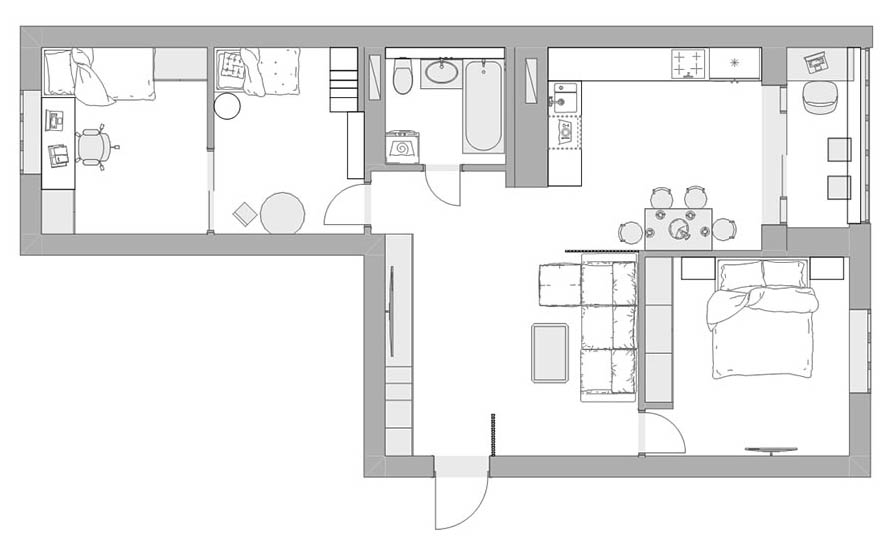
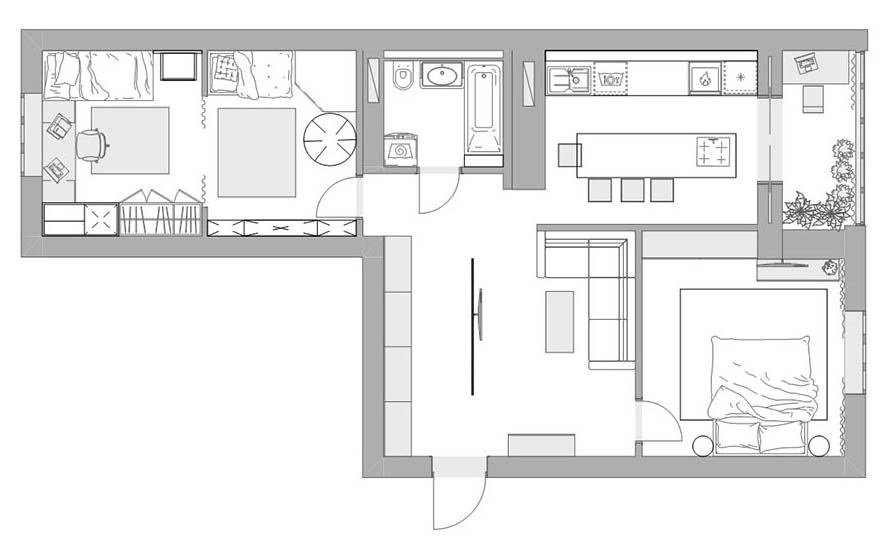
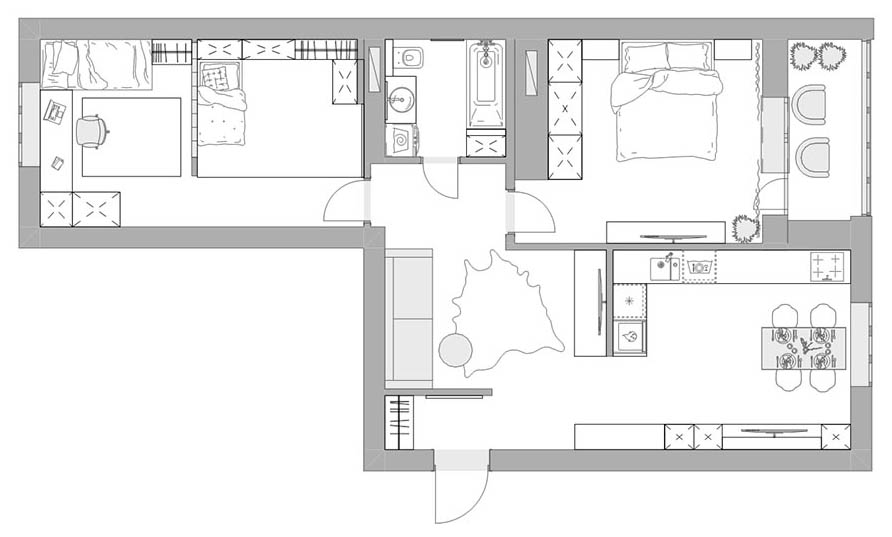
Beautiful interiors are built on structure, not impulse.
When you master room planning, every design choice feels more intentional – and your home becomes easier to style over time.
To make the process approachable, here’s a practical breakdown you can apply to any room.
Measure the room carefully – length, width, ceiling height, window placement, door swing. Every detail strengthens your home planning foundation.
Most rooms need a visual or functional anchor:
A bed in a bedroom
A sofa in a living room
A dining table in an eating area
A desk in a workspace
Anchors guide the rest of your home planning decisions.
Use room planning to create supportive zones:
Reading corners
Conversation areas
Storage zones
Play spaces
Work surfaces
Zones add structure without rigidity.
Combine ambient, task, and accent lighting. Effective home planning usually includes at least three lighting types in every space.
Side tables, storage pieces, chairs, and accents should complement – not compete with – the main layout.
Ask yourself: Does this serve a clear purpose?
Editing is a secret superpower in room planning. Removing items often creates more beauty than adding new ones.
Skipping room planning leads to many common decorating frustrations. A clear plan helps you avoid:
Rugs that are too small
Oversized sofas in narrow rooms
Blocked natural light
Furniture pushed against every wall
Insufficient storage
Accidental clutter zones
When your layout is intentional, decisions feel confident instead of reactive.
At its core, room planning is about aligning your space with your life. Layouts shape comfort, habits, and how you experience each day.
Arrange seating for conversation if you love hosting
Leave space around the bed for calm, symmetrical balance
Create a reading nook for quiet escapes
Keep storage accessible if you prefer minimal surfaces
Design flexible zones in multipurpose rooms
Your home becomes a supportive container for your lifestyle – not just a visual backdrop.
A room can look beautiful yet still feel off. Often, the issue isn’t décor – it’s room planning.
Examples:
Minimalist spaces require precise placement
Bold palettes need balance across zones
Statement pieces shine when surrounded by open space
Symmetry or asymmetry should be intentional, not accidental
Thoughtful room planning allows design elements to support each other instead of competing.
When done well, room planning becomes an invisible foundation shaping comfort and character. Every detail – from sofa placement to how light moves through a room – has a reason to exist.
A well-planned room doesn’t just look good.
It feels calm, intuitive, and genuinely yours.
How Interior Designers Turn Empty Spaces into Inspired Living