
Transforming a blank room into a warm, expressive, and functional living space is both an art and a science. And while homeowners often know what they like, they don’t always know how to bring those ideas together in a cohesive, balanced way. That’s where interior designers make their magic — translating personal taste into livable beauty with confidence, expertise, and a touch of creativity.
In this guide, we’ll explore how interior designers create meaningful spaces, what their workflow looks like, and how you can apply some of their methods to your own home projects.
Professional interior designers have a unique ability to read a room like a story waiting to unfold. They can spot proportions, patterns, and opportunities long before furnishings arrive. Their approach blends technical skill with emotional intelligence — understanding not just what a home should look like, but how it should feel.
Some of the advantages they bring include:
Working with interior designers doesn’t just elevate aesthetics — it reduces stress by creating a clear and enjoyable pathway from vision to reality.
Every designer has their own signature style, but most follow a process that helps turn ideas into beautiful rooms without chaos. It usually includes:
Designers begin by understanding how you live, what inspires you, and what your long-term goals are. Surprisingly, many people don’t realize what they truly want until they’re guided through mood boards, sample palettes, and lifestyle questions.
Here, interior designers map out zoning, circulation paths, lighting opportunities, and ideal furniture placement. Good planning ensures the room works before it looks cohesive.
Material selections, textiles, colors, and textures come together to create a visual language. This stage is where professional creativity shines — balancing personal taste with practicality.
From coordinating contractors to styling the final surfaces, interior designers orchestrate every stage so that the finished result feels effortless and elegant.
Even if you’re decorating without professional help, using the principles that interior designers rely on will give you cleaner, more polished results. Here are strategies that make an immediate difference.
Don’t try to complete a room in one sweep. Build it step by step:
Soft vs. structured, matte vs. glossy, natural vs. manufactured—contrast creates depth.
Design should make your life easier:
One of the skills interior designers develop early is restraint. Removing clutter or mismatched elements often elevates a room instantly.
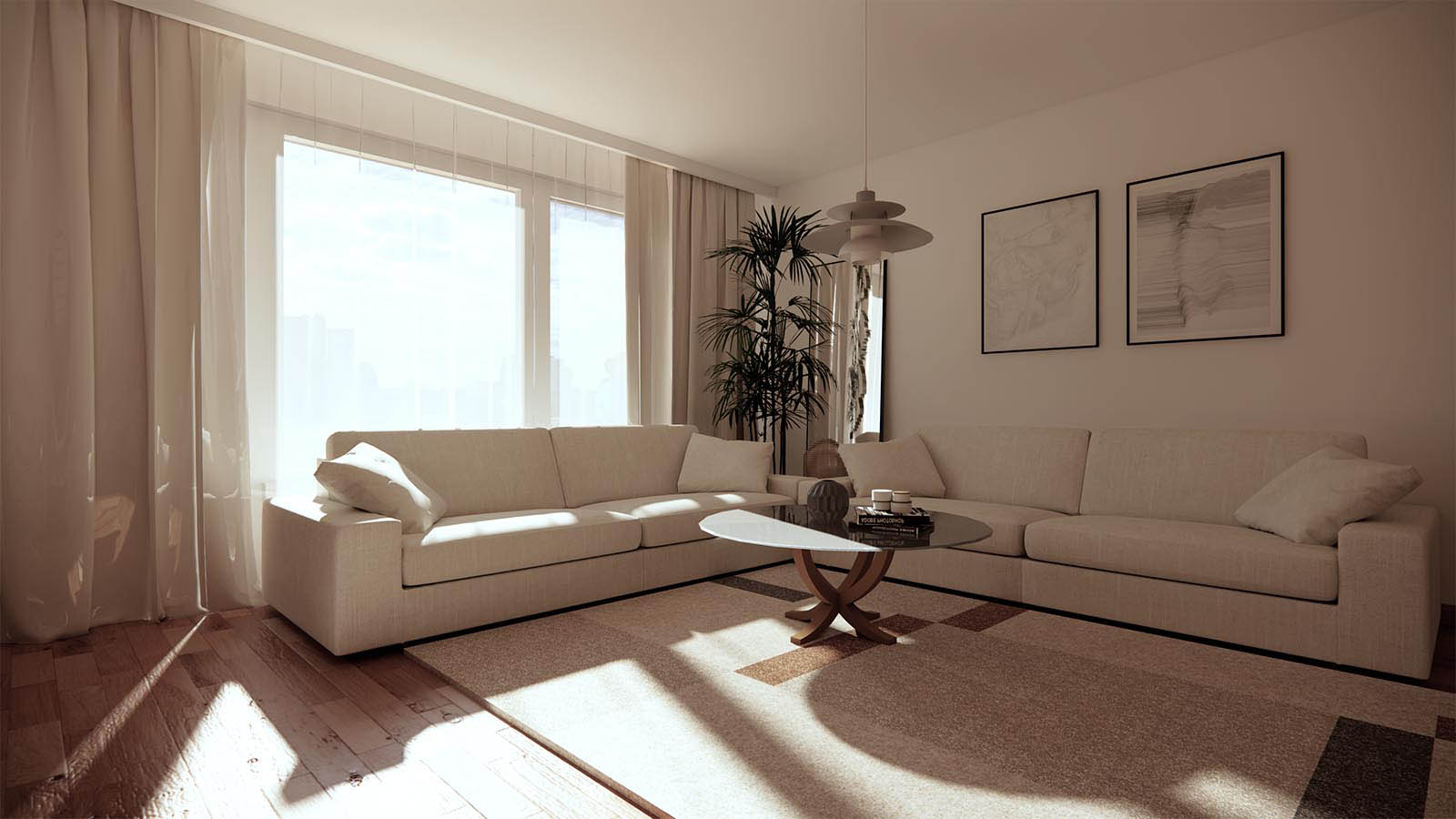
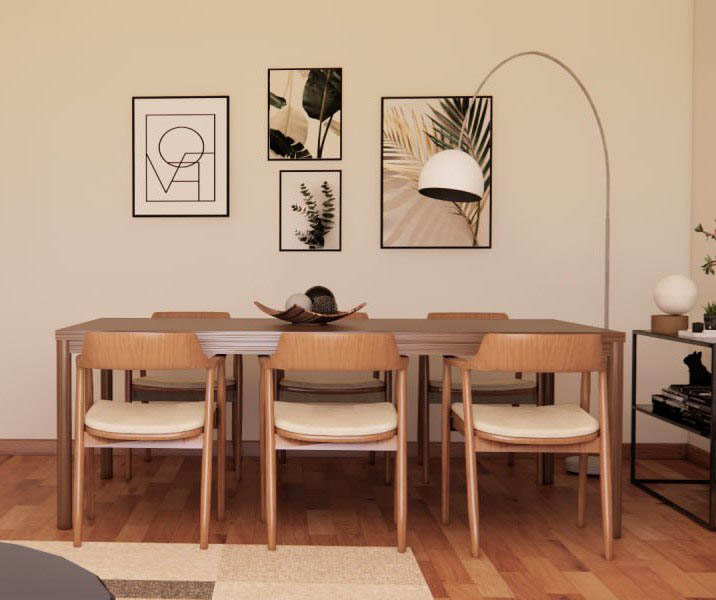
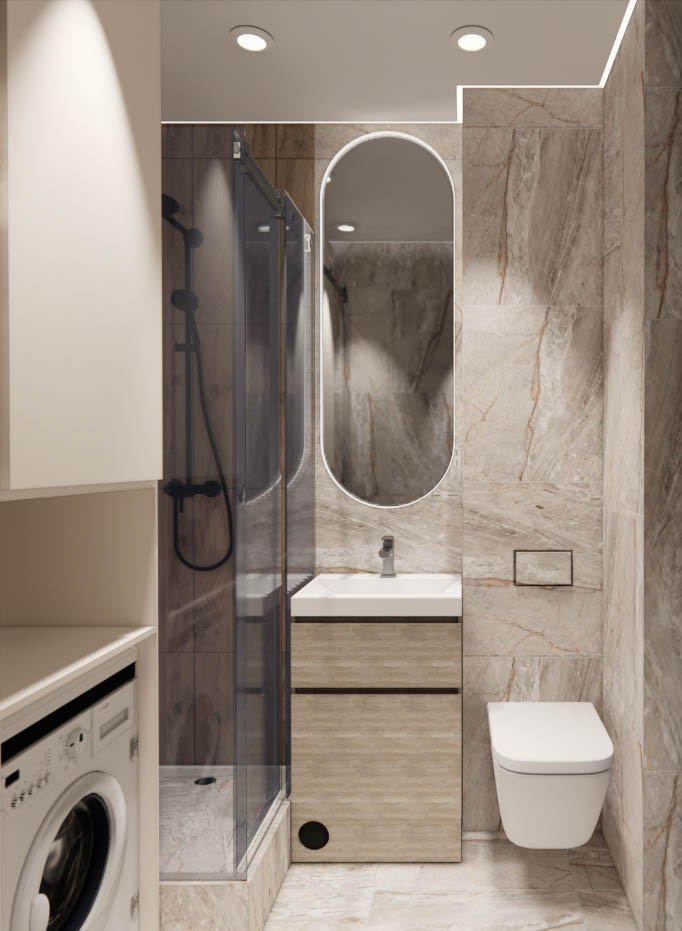
The most successful spaces aren’t the ones filled with the most decor — they’re the ones where every element has purpose, personality, and room to breathe.
Even enthusiastic decorators sometimes stumble into the same mistakes. Professionals know how to sidestep these issues:
By taking cues from interior designers, you position yourself to create rooms that stand the test of time — visually and practically.
Not every project requires full-scale design support. However, it’s worth consulting a designer if:
Working with interior designers is especially beneficial during significant transitions (moving, renovating, downsizing), when the structure of your day-to-day life is changing.
Challenging spaces are where the talent of interior designers truly emerges. They know how to transform awkward layouts into efficient and beautiful areas using:
A designer’s problem-solving mindset is often the key to unlocking a home’s hidden potential.
At the heart of everything interior designers do is the desire to reflect real human stories. Your home should feel like an authentic expression of who you are — both comforting and inspiring. Whether you choose to work with a professional or incorporate their techniques into your own projects, adopting their thoughtful approach can make decorating feel joyful instead of overwhelming.
With a bit of imagination, structure, and expert-inspired strategies, every home can become a place that recharges you, embraces you, and expresses you.